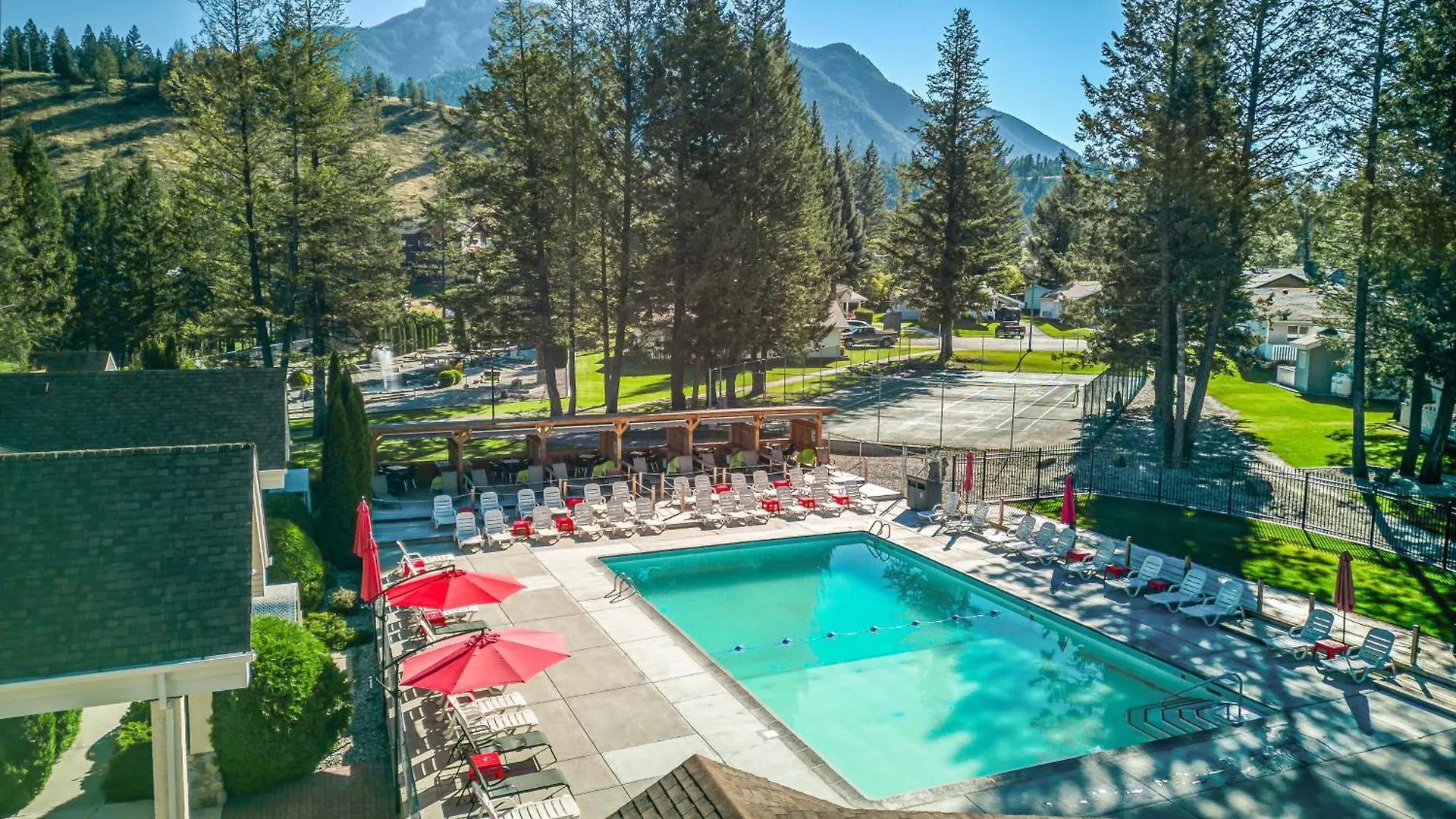
Canada's resort hotel scene covers an extraordinary geographic spread - from glacier-fed mountain valleys in British Columbia and Alberta to Atlantic coastline retreats in Nova Scotia. This guide compares 4 resort hotels across those regions, focusing on what each property actually delivers, which base suits your itinerary, and how to time your booking for the best rates and availability.
What It's Like Staying in Canada
Canada is not one destination - it's several distinct travel ecosystems compressed into one country. The Canadian Rockies deliver alpine scenery that rivals anything in Europe or New Zealand, while the Maritime provinces offer a quieter, coastal character rarely found in North America. Seasonal timing is critical in Canada: peak summer (July-August) drives occupancy rates up sharply in mountain destinations, while coastal Nova Scotia reaches its social peak slightly later, through September. Resort properties here benefit from that geographic spread - when Banff and Jasper are at maximum capacity, Cape Breton often still has availability. Travelers who prioritize natural landscapes, wildlife, and outdoor activities will find Canada exceptionally well-structured for resort-based exploration, but those expecting walkable urban nightlife should reconsider a pure resort stay. Road distances between attractions can exceed 100 km, making a car rental non-optional for most resort locations in this country.
Pros:
- Exceptional natural variety - Rockies, boreal forest, Atlantic coastline - all accessible via resort hubs
- Resort infrastructure in places like Kananaskis and Radium Hot Springs is purpose-built for outdoor activity access
- English-language travel logistics are straightforward, with well-marked parks and reliable road networks
Cons:
- Remote resort locations require a car - public transport connections to most resort areas are limited or nonexistent
- Peak-season pricing at Canadian mountain resorts spikes significantly, with fewer last-minute deals than urban hotels
- Weather is unpredictable even in summer - snowfall in Jasper in June is not unusual
Why Choose Resort Hotels in Canada
Resort hotels in Canada are specifically positioned to act as activity bases rather than just sleeping accommodations - they typically bundle access to hot springs, skiing, hiking, or beach access directly into the stay. A resort in the Canadian Rockies will often cost around 30% more per night than a comparable city hotel in Calgary or Edmonton, but that premium typically covers parking, recreational facilities, and proximity to parks that would otherwise require additional paid access. Room sizes at Canadian resorts are generally larger than city-centre hotels, with kitchenette or full kitchen fittings common - useful for longer stays where dining out every meal becomes expensive. The main trade-off is isolation: resort locations mean fewer restaurant choices, limited walkable amenities, and full dependency on in-house dining during off-hours. Families and multi-night wilderness-focused travelers get the clearest value from this category; solo travelers on short trips may find the per-night cost harder to justify.
Main advantages of resort hotels in Canada:
- On-site recreational facilities (pools, hot tubs, sports courts) reduce the need for external bookings
- Kitchen-equipped rooms make self-catering practical, lowering total trip food costs
- Proximity to national parks and natural features that are the primary reason for visiting these regions
Main trade-offs:
- Limited dining variety beyond the resort's own restaurant or pub - critical for stays longer than 3 nights
- Seasonal availability: several facilities (outdoor pools, some restaurants) only operate between June and October
- Car dependency adds daily rental and fuel costs that can meaningfully affect the total trip budget
Practical Booking & Area Strategy
For the Canadian Rockies, the strategic choice is between Radium Hot Springs (British Columbia side, quieter, less commercialized) and the Jasper corridor (Alberta, UNESCO World Heritage zone, higher visitor density). Kananaskis Village sits around 103 km from Calgary International Airport, making it the most accessible mountain resort zone for fly-in travelers who want alpine scenery without navigating Banff's peak-season congestion. For Atlantic Canada, Ingonish on Cape Breton Island is the gateway to the Cabot Trail - consistently ranked among the top scenic drives in North America - with the Highlands Links Golf Course (5.5 km from Ingonish Beach) adding a specific draw for golfers. Book mountain resort properties at least 8 weeks ahead for July and August travel; Nova Scotia's shoulder season (September-October) offers foliage, fewer crowds, and slightly softer pricing. Key activities across these resort zones include hot springs bathing, hiking, wildlife spotting, skiing (winter), cycling, and coastal kayaking - all requiring a base with reliable parking, which every resort in this guide provides free of charge.
Rocky Mountain & Hot Springs Resorts
These two properties are anchored in the Canadian Rockies and hot springs corridor, offering direct access to some of Canada's most visited natural landscapes with full resort infrastructure on site.
-
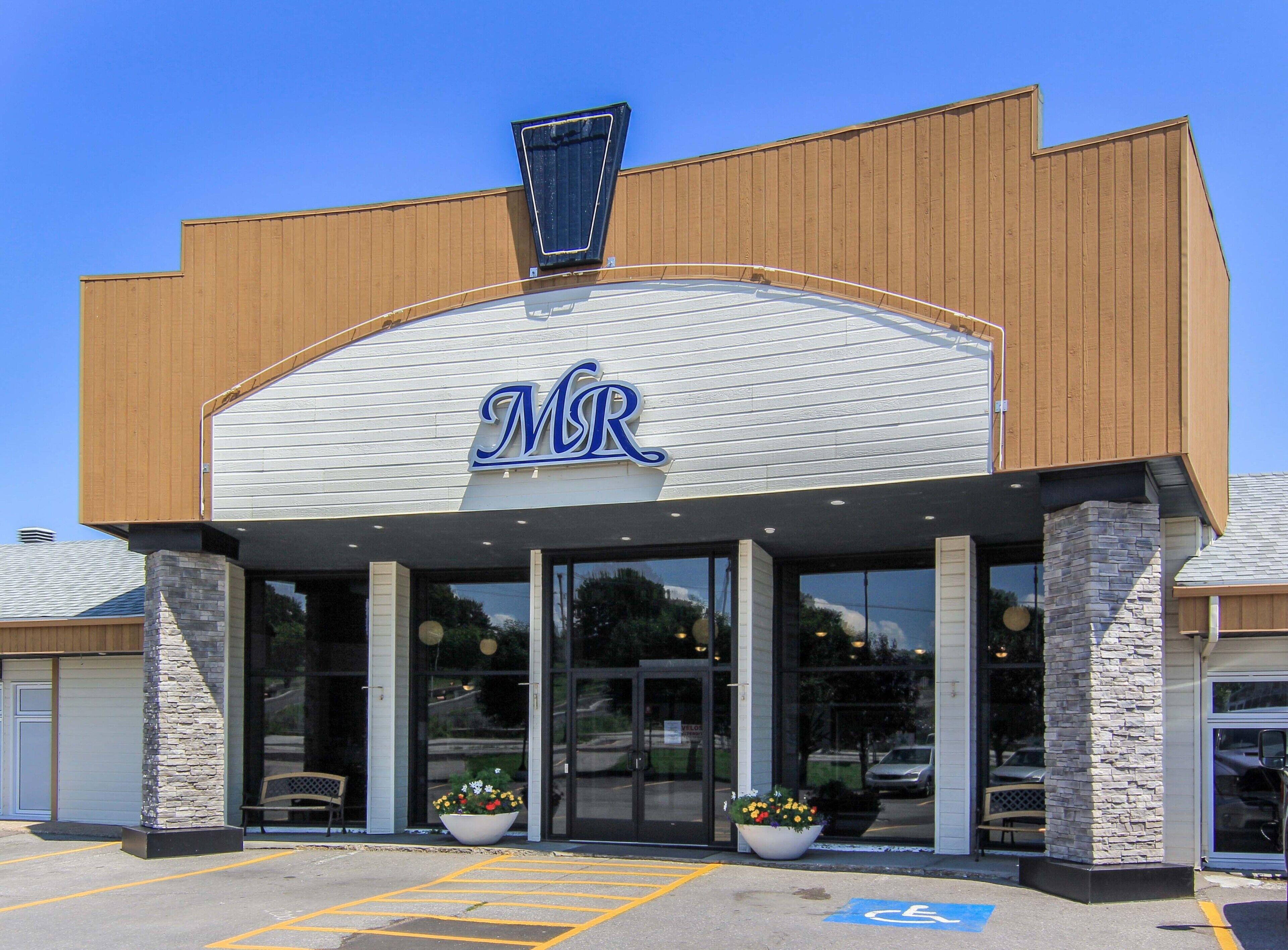
1. Ridgeview Resort
Show on map


 Check-infrom 16:00 until 21:00Check-outfrom 09:00 until 10:00
Just a few rooms left at the best rate!
fromC$ 305
-
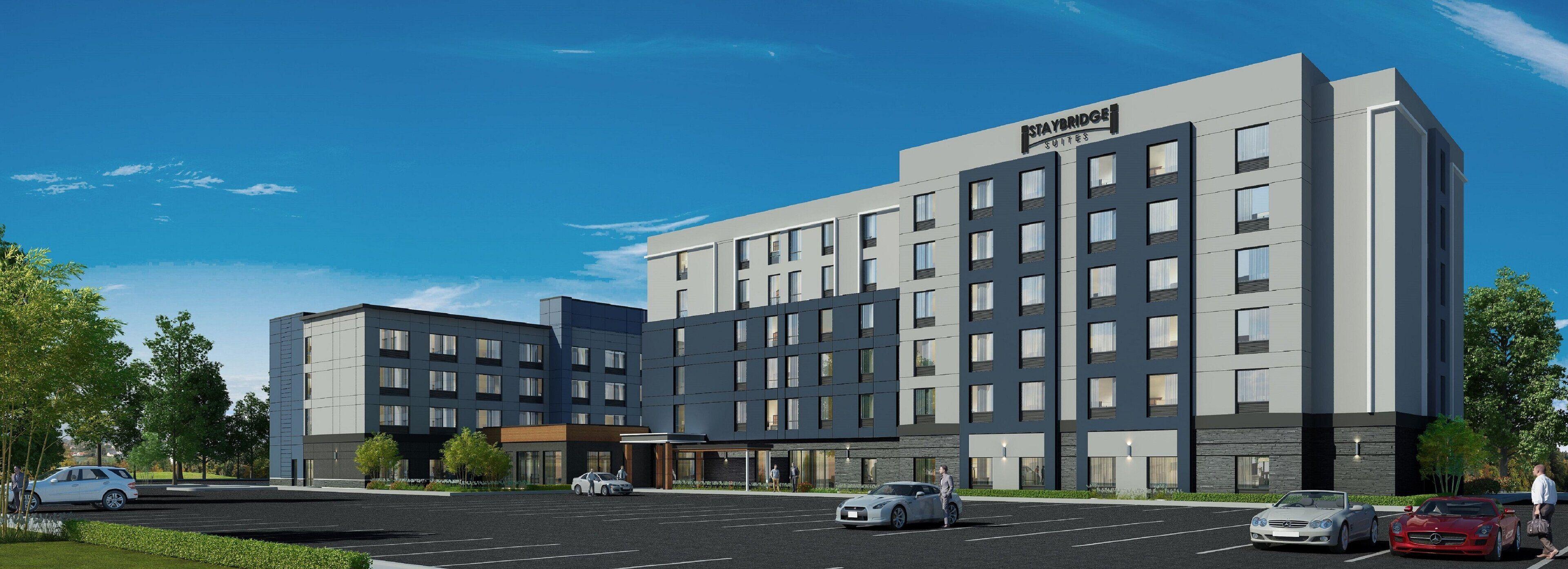
2. Miette Hot Springs Bungalows
Show on map


 Check-infrom 16:00 until 21:00Check-outfrom 08:00 until 11:00
Just a few rooms left at the best rate!
fromC$ 196
Glamping & Coastal Resort Options
For travelers prioritizing a distinct lodging experience - whether mountain glamping in Kananaskis or a private beachfront on the Cabot Trail - these two properties offer the strongest sense of place in the selection.
-
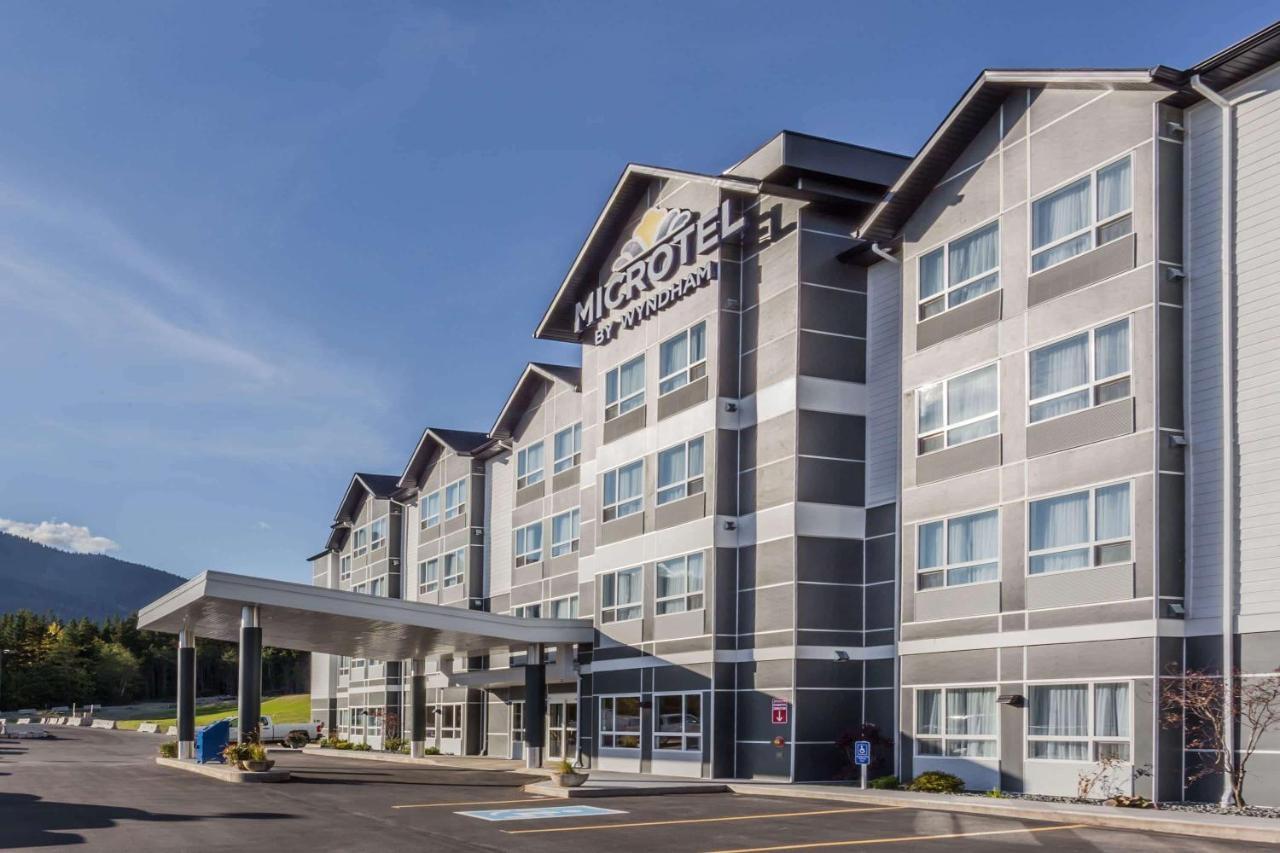
3. Skyridge Glamping
Show on map


 Check-infrom 16:00 until 23:00Check-outfrom 09:00 until 10:00
Hurry – almost gone at this price!
fromC$ 1241
-
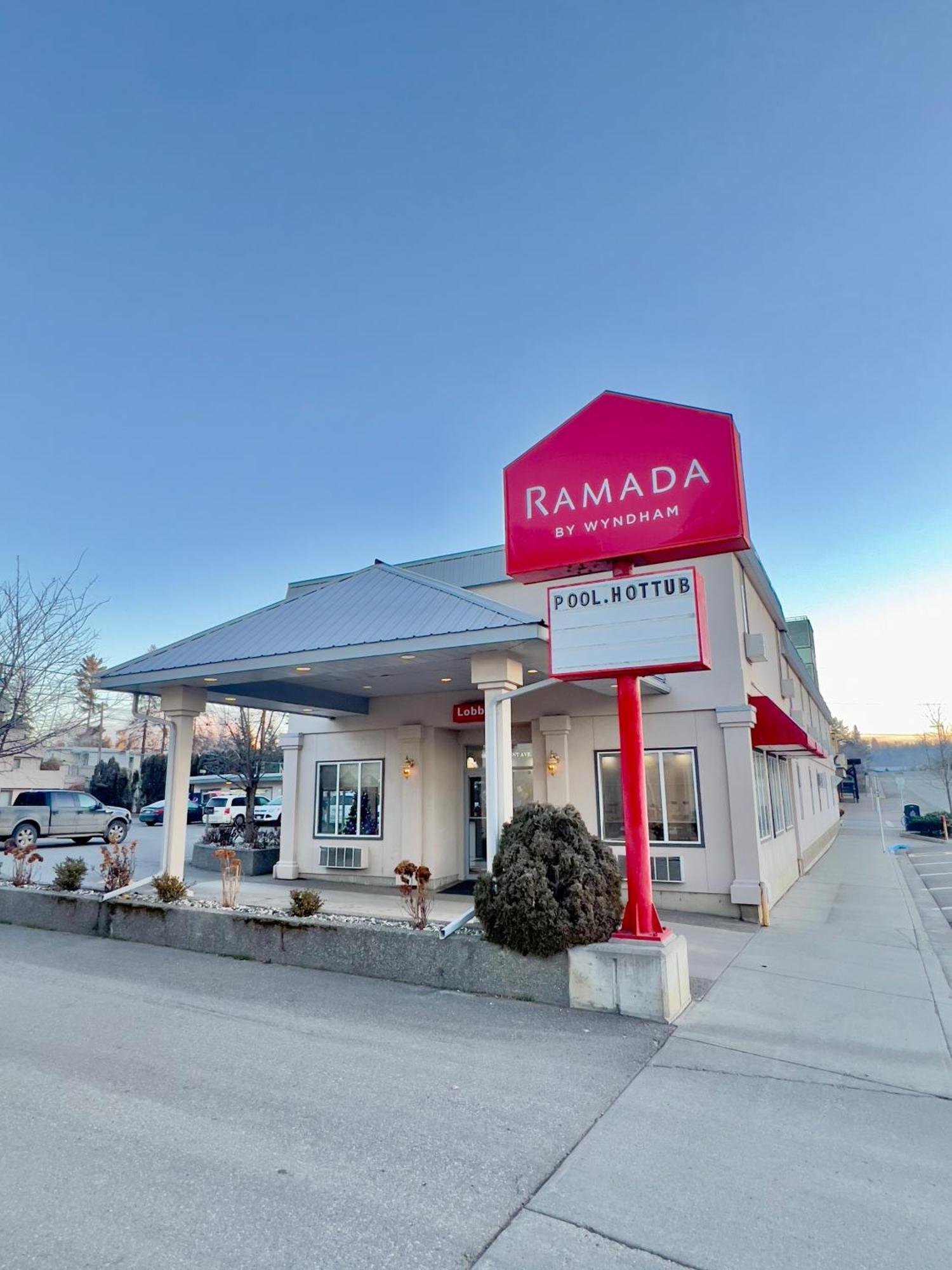
4. Glenghorm Beach Resort
Show on map


 Check-infrom 15:00 until 23:00Check-outfrom 07:00 until 11:00
Rooms filling fast – secure the best rate!
fromC$ 129
Smart Travel & Timing Advice for Canadian Resorts
Canadian resort hotels follow a sharp seasonal curve. July and August are peak months across all four properties in this guide - availability tightens fast, and rates at mountain resorts can be significantly higher than the same room in May or October. Kananaskis and Radium Hot Springs benefit from a longer shoulder season than Jasper, where snow can limit outdoor activity from October onward. For Nova Scotia's Cabot Trail, September is arguably the best month: foliage peaks, crowds thin out after Labour Day, and the Thirsty Hiker Pub at Glenghorm is still in full swing. A minimum stay of 3 nights makes financial sense at any of these resorts - the drive distances from major airports mean a 1-night stay rarely justifies the travel time. Book mountain properties at least 8 weeks in advance for summer; Cape Breton allows more flexibility until mid-August. Last-minute deals at Canadian resort hotels are uncommon in peak season - these properties fill through repeat visitors and early planners, not discount channels.