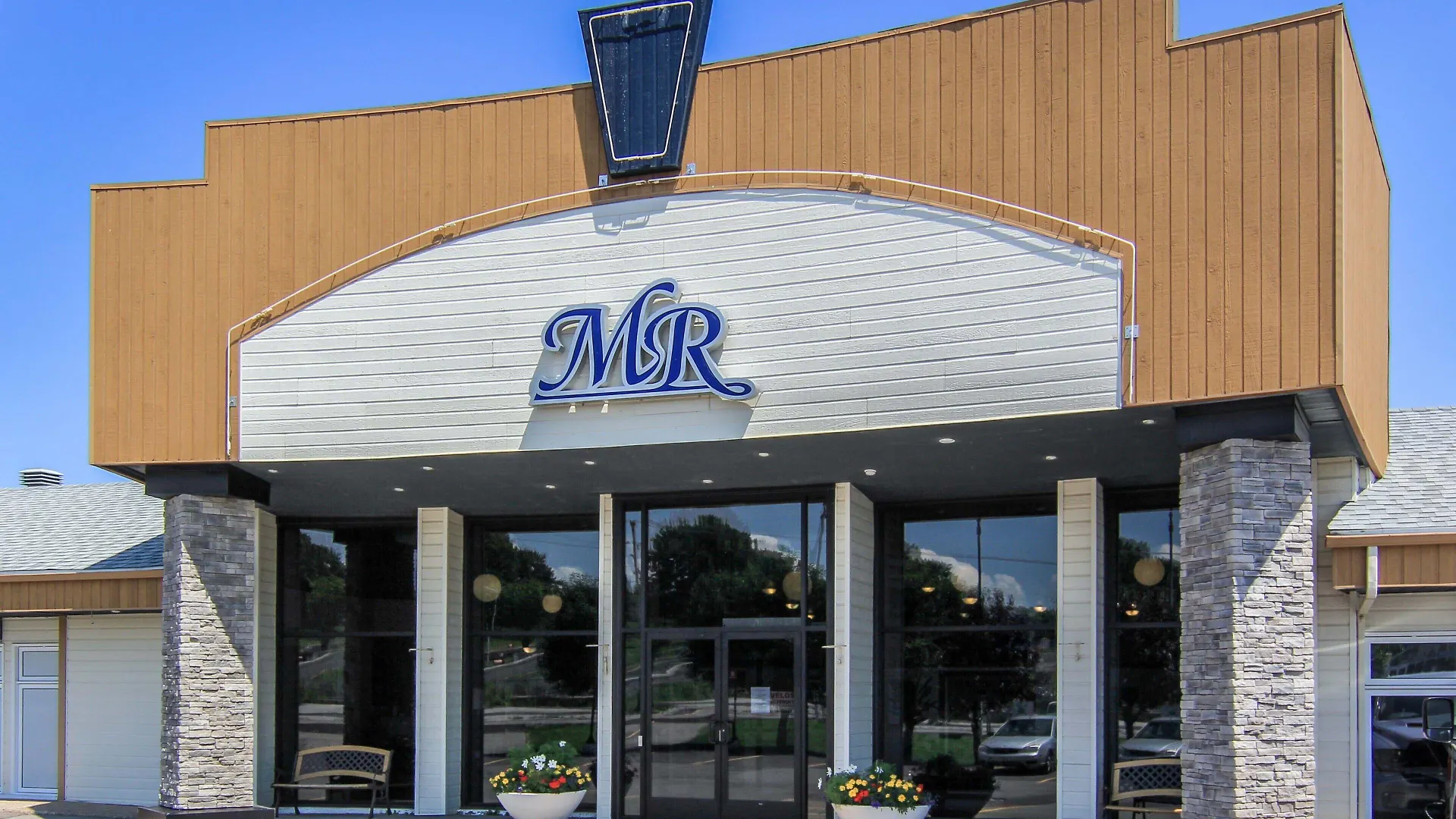
Canada's highway network, provincial parks, and scattered mid-size towns make motel stays a genuinely practical choice - not just a budget fallback. Whether you're driving the Trans-Canada Highway, exploring Cape Breton, or passing through the Kawartha Lakes, motels across Canada offer direct parking, flexible check-in, and no-frills efficiency that larger hotel chains rarely match at the same price point. This guide covers 9 hand-picked motels from British Columbia to Nova Scotia, with concrete details to help you decide where to book.
What It's Like Staying in Canada
Canada is the second-largest country in the world by land area, and that scale shapes how most travelers experience it - by car. From the Rocky Mountains in Alberta and B.C. to the tidal shores of Nova Scotia and New Brunswick, distances between attractions are real, and accommodation strategy matters. Motels thrive along Canadian highways because they solve the most common road trip problem: arriving late, needing parking, and leaving early. Urban density is low outside Toronto, Vancouver, and Montréal, which means many of the most scenic regions - Lac Saint-Jean, Cape Breton Highlands, the Kootenays - are served almost exclusively by independent motels and small inns rather than international hotel chains.
Crowd patterns follow school calendars and weather windows tightly. July and August bring the highest domestic traffic, especially in Ontario cottage country and along the St. Lawrence. Around 80% of Canadian leisure travel happens between May and October, compressing demand into a short window. Shoulder season travelers (late September, early October) often find the same routes with minimal traffic and noticeably lower rates.
Pros:
- Free parking is standard at virtually every Canadian motel - a genuine cost saving in regions where hotel parking fees run high
- Proximity to natural landmarks: motels in regions like Cape Breton or Christina Lake put guests within minutes of trails, lakes, and ski slopes without urban detours
- Pet-friendly and family-room policies are more common in Canadian motels than in downtown hotels, making road travel with children or dogs significantly easier
Cons:
- Limited walkability - most Canadian motels are car-dependent, and reaching restaurants or grocery stores often requires driving
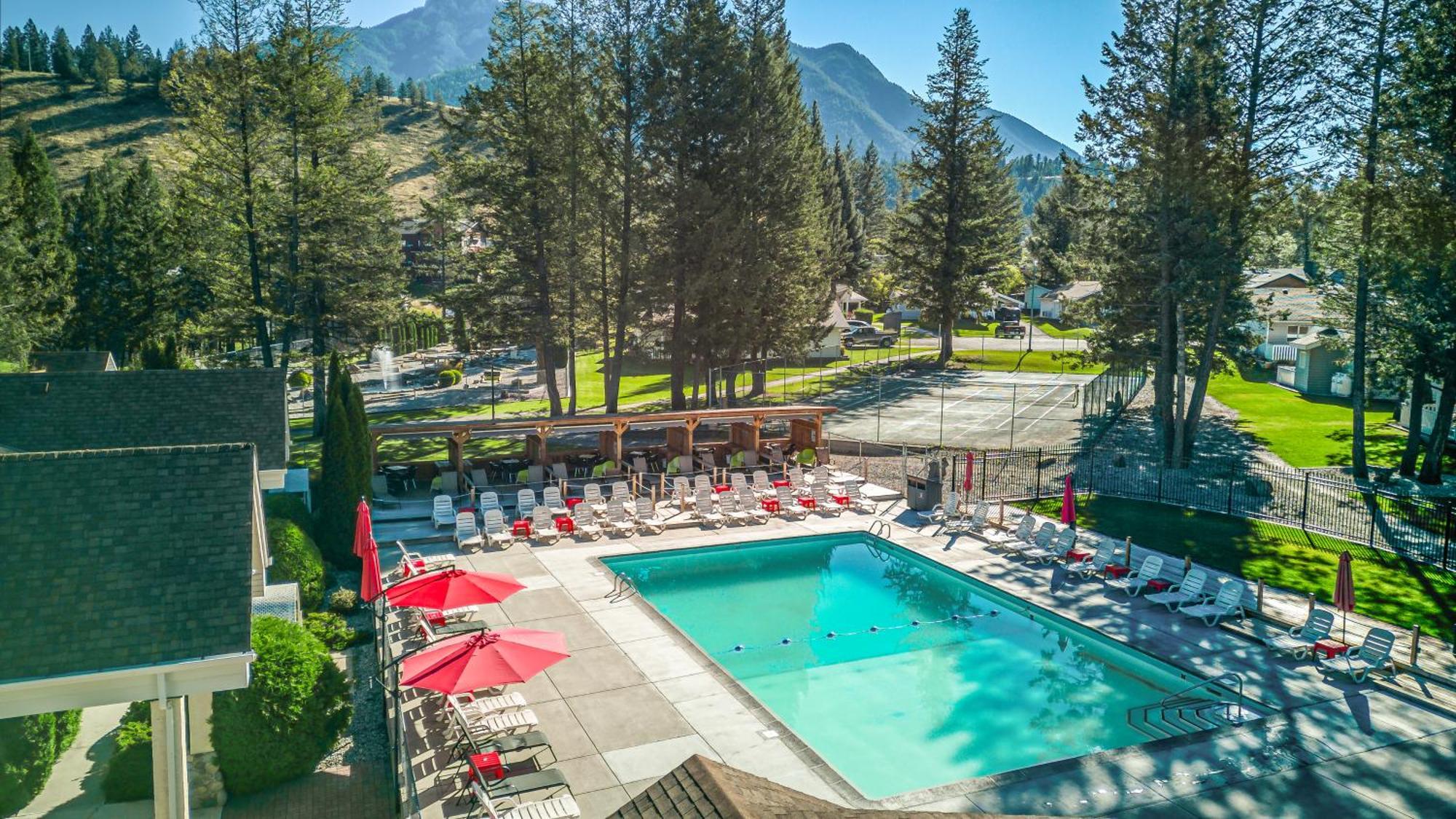
- Seasonal closures affect some motel amenities (pools, hot tubs) outside the June-September window
- Cell coverage and Wi-Fi reliability can be inconsistent in remote regions like Haida Gwaii or rural Nova Scotia
Why Choose a Motel in Canada
Canadian motels occupy a genuinely useful middle ground between campgrounds and full-service hotels. In regions where national park lodges charge upward of CAD $300 per night in summer, a well-positioned motel near the park boundary offers comparable access at a fraction of the cost. Room sizes at Canadian highway motels tend to be generous by international standards - ground-floor units with exterior access, standard queen or king beds, and in-room appliances like microwaves and mini-fridges that reduce meal costs on longer drives. These are not boutique experiences, but the trade-off is practical: you get a clean, functional base close to where you actually want to spend your time.
The price gap between motels and mid-range hotels in Canada can reach around 50% in high season, particularly in tourist-heavy corridors like the Cabot Trail in Nova Scotia or the Beaver Valley in Ontario. That gap widens further in remote areas with limited accommodation supply. The main trade-offs are noise (ground-floor exterior corridors carry road and parking lot sounds) and limited on-site dining - though many Canadian motels are positioned near local diners or include a continental breakfast. Family rooms and pet-friendly policies are far more consistently available in this category than in urban hotels.
Pros:
- In-room appliances (fridge, microwave, coffee machine) reduce food costs significantly on multi-night road trips
- Direct room-to-parking-lot access makes unloading gear, bikes, or sports equipment far more practical than elevator-based hotel stays
- Many Canadian motels operate 24-hour front desks, accommodating late arrivals without surcharge - critical on long driving days
Cons:
- Exterior corridor layouts mean weather exposure when entering or leaving rooms - a real consideration in Canadian winters or rainy coastal regions
- On-site amenities like gyms, spas, or multiple dining options are rarely available in this category
- Advance booking in peak summer months is essential - popular motels along routes like the Cabot Trail or Kootenay corridors fill weeks ahead
Practical Booking & Area Strategy
Canada's geography means that choosing the right base town matters as much as choosing the right motel. In central Ontario, Lindsay and the Kawartha Lakes sit at the junction of Highway 35 and serve as a practical overnight hub for travelers heading north to Algonquin Park or east toward Prince Edward County. In Quebec, Roberval on Lac Saint-Jean is a gateway to Parc National de la Pointe Taillon and the Véloroute des Bleuets cycling trail - a route that draws thousands of cyclists each summer. Chéticamp in Cape Breton is one of Canada's most strategically located motel stops, sitting at the entrance to Cape Breton Highlands National Park, which means access to the Cabot Trail's most dramatic sections without driving into the park itself. In British Columbia, both Christina Lake and Haida Gwaii (Queen Charlotte) are off the main tourist circuits - Christina Lake for inland hiking and hot-tub retreats, and Haida Gwaii for one of Canada's most remote wilderness and Indigenous cultural destinations, accessible only by ferry or small aircraft.
For travelers driving through Saskatchewan, Moose Jaw is an underrated stop - the Tunnels of Moose Jaw attraction and proximity to Regina make it a two-night-worthy detour rather than a pure transit point. In New Brunswick, Saint Stephen sits directly on the U.S. border crossing from Calais, Maine, making it a natural first or last night for cross-border road trippers. Booking 6 to 8 weeks ahead is advisable for July and August at motels near national parks or coastal routes, as independent properties have limited inventory and do not absorb demand the way chain hotels do in cities.
Motels Near Quebec & Ontario Attractions
These three motels cover Quebec's Lac Saint-Jean region, central Ontario's Kawartha Lakes corridor, and Ontario's Beaver Valley ski country - each serving a distinct travel route with practical room setups and reliable amenities.
-
1. Motel Roberval
Show on map


 Check-infrom 15:00 until 23:59Check-outuntil 11:00
Best price guarantee
fromC$ 94
-
2. Knights Inn Lindsay
Show on map


 Check-infrom 15:00 until 23:59Check-outuntil 11:00
Best price guarantee
fromC$ 94
-
3. Leelas Villa Inn Flesherton
Show on map


 Check-infrom 16:00 until 23:59Check-outuntil 11:00
Just a few rooms left at the best rate!
fromC$ 74
Motels in Atlantic Canada & Saskatchewan
This group covers four properties across Nova Scotia, New Brunswick, and Saskatchewan - regions where independent motels are often the primary accommodation option, and where location relative to key attractions directly determines the value of a stay.
-
4. Cornerstone Motel
Show on map


 Check-infrom 15:00 until 22:00Check-outuntil 10:00
Just a few rooms left at the best rate!
fromC$ 173
-
5. Annapolis Royal Inn & Suites
Show on map


 Check-infrom 15:00 until 20:00Check-outfrom 07:00 until 12:00
Just a few rooms left at the best rate!
fromC$ 193
-
3. Winsome Inn
Show on map


 Check-infrom 15:00 until 23:00Check-outfrom 08:00 until 11:00
Rooms filling fast – secure the best rate!
fromC$ 105
-
7. Dreamland Motel
Show on map


 Check-infrom 11:00 until 23:59Check-outuntil 11:00
Hurry – almost gone at this price!
fromC$ 81
Motels in British Columbia
British Columbia's diverse geography - from the remote archipelago of Haida Gwaii to the inland lake valleys of the Kootenays - is served by a handful of independent motels that offer genuine character alongside practical amenities for outdoor-focused travelers.
-
1. Sea Raven Motel
Show on map


 Check-infrom 14:00 until 21:00Check-outuntil 11:00
Rooms filling fast – secure the best rate!
fromC$ 118
-
2. Barefoot Villas And Retreat
Show on map


 Check-infrom 15:00 until 23:30Check-outfrom 07:00 until 10:00
Hurry – almost gone at this price!
fromC$ 104
Smart Travel & Timing Advice
Canada's peak motel season runs from late June through August, driven by school holidays, national park visits, and domestic road trips. During this window, independent motels along popular routes - the Cabot Trail, Highway 35 in Ontario, and the Trans-Canada through Saskatchewan - can fill completely on Friday and Saturday nights with minimal advance notice. Booking at least 6 weeks ahead is the minimum advisable lead time for July travel at any of the properties featured here. Prices during peak season at well-positioned motels near national parks can rise by around 30% compared to the same room in May or September.
The shoulder seasons offer significantly better conditions for price-conscious travelers. September in Atlantic Canada combines low crowds with the Maritime fall foliage, which peaks around early October in Cape Breton. In British Columbia, both Christina Lake and the Kootenay region see mild weather through September with almost no summer tourist traffic remaining. Winter travel to ski-adjacent motels like Leelas Villa Inn Flesherton requires the opposite strategy - advance booking for weekend ski season dates (January and February) is just as critical as summer booking, as the Beaver Valley Ski Club draws a concentrated regional audience. For Haida Gwaii (Sea Raven Motel), the practical travel window is May through September due to ferry schedules and weather, and most visitors plan stays of at least 4 nights given the logistics of reaching the archipelago.