Charleston's Historic District is one of the most architecturally intact colonial-era neighborhoods in the United States, where antebellum mansions, cobblestone streets, and centuries-old churches create a setting that few American cities can match. Staying inside the district means waking up within walking distance of landmarks like the City Market, Rainbow Row, and the Powder Magazine - without needing a car for most of the day. This guide breaks down the four best historic hotels in the area, with honest comparisons on location, room quality, and booking timing so you can make a clear, informed decision.
What It's Like Staying in Charleston's Historic District
The Historic District is a walkable, compact neighborhood where most of the city's key attractions sit within a 15-minute walk of each other. King Street, Meeting Street, and Church Street form the backbone of the area - lined with independent restaurants, boutiques, and historic architecture that give Charleston its identity. Traffic is moderate during the day but quiets significantly after 10 PM, making evenings genuinely peaceful for a city-center district.
Noise levels near the City Market and upper King Street can be noticeable on weekends, especially during festival season. Visitors who plan to explore Fort Sumter, the South Carolina Aquarium, or the plantation estates outside town will still need occasional rideshares, as those sites sit beyond comfortable walking range. The district rewards travelers who want to be embedded in Charleston's history rather than just passing through it.
Pros:
Nearly every major historic landmark is reachable on foot, eliminating daily transport costs
The neighborhood retains its 18th-century street grid, making orientation intuitive even without a map
Evening dining and bar scenes on King Street are vibrant but concentrated, so noise fades quickly once you step off the main corridor
Cons:
Parking is scarce and expensive throughout the district - valet or paid garages are the realistic options
Summer heat and humidity (regularly above 90°F) make long afternoon walks genuinely uncomfortable
Weekend foot traffic around the City Market area creates congestion that can feel overwhelming for those expecting a quiet getaway
Why Choose a Historic Hotel in Charleston's Historic District
Historic hotels in this district are not a category defined purely by decor - they occupy actual heritage buildings or properties with documented ties to Charleston's colonial and antebellum past, which changes the physical experience of staying in them. Room layouts tend to be irregular, with higher ceilings, thicker walls, and architectural details like exposed brick or original woodwork that standard chain hotels cannot replicate. Rates in this category typically run around 20% higher than comparable chain properties in the surrounding area, a premium that reflects both the location and the physical character of the buildings.
Trade-offs are real: rooms in converted historic structures are sometimes smaller than modern equivalents, elevators may not reach all floors, and soundproofing between thick masonry walls can actually be better - or worse - depending on the specific building. What you gain is a sense of place that makes the hotel itself part of the Charleston experience, not just a base for it. Townhouse-style accommodations, private courtyards, and antique furnishings appear across this category at a frequency you won't find in the outer neighborhoods.
Pros:
Architectural authenticity - original materials and layouts that reflect Charleston's building heritage
Courtyard spaces and fountain features that provide genuine outdoor retreat inside a dense urban district
Complimentary amenities like breakfast delivery, evening wine receptions, and concierge services appear more frequently in this category than in standard hotels
Cons:
Room sizes can be smaller and less uniform than modern hotels - layouts vary significantly even within the same property
Accessibility for guests with mobility needs may be limited in buildings where full renovation was constrained by historic preservation rules
The premium pricing is consistent year-round, with less discounting during shoulder season compared to chain hotels outside the district
Practical Booking & Area Strategy for the Historic District
Position matters within the Historic District. Church Street and King Street place you closest to the densest concentration of restaurants, galleries, and historic sites - properties on these corridors allow genuine car-free days. Meeting Street and Calhoun Street sit at the northern edge of the core district, adding around 10 minutes of walking to reach the City Market but offering slightly calmer surroundings and easier access to Marion Square, where the Charleston Museum and Spoleto Festival USA events are based.
The City Market is walkable from all four hotels reviewed here, and the ferry terminal for Fort Sumter is under 2 km from the central district. Book at least 8 weeks in advance for travel during the Spoleto Festival (late May to mid-June) or during the Cooper River Bridge Run weekend in April - these events push occupancy across the Historic District to near capacity and inflate rates significantly. Outside those windows, the district is quieter in January and February, when prices dip and crowds thin, though some restaurant hours are reduced. For most travelers, 3 nights is the practical minimum to experience the district without feeling rushed across its main draws: the waterfront, the market, the house museums, and the restaurant scene on lower King Street.
Best Value Historic Stays
These properties deliver strong positioning inside the Historic District with amenities that reduce daily spending - particularly useful for travelers who want full-kitchen access or included breakfast to offset Charleston's high restaurant prices.
-
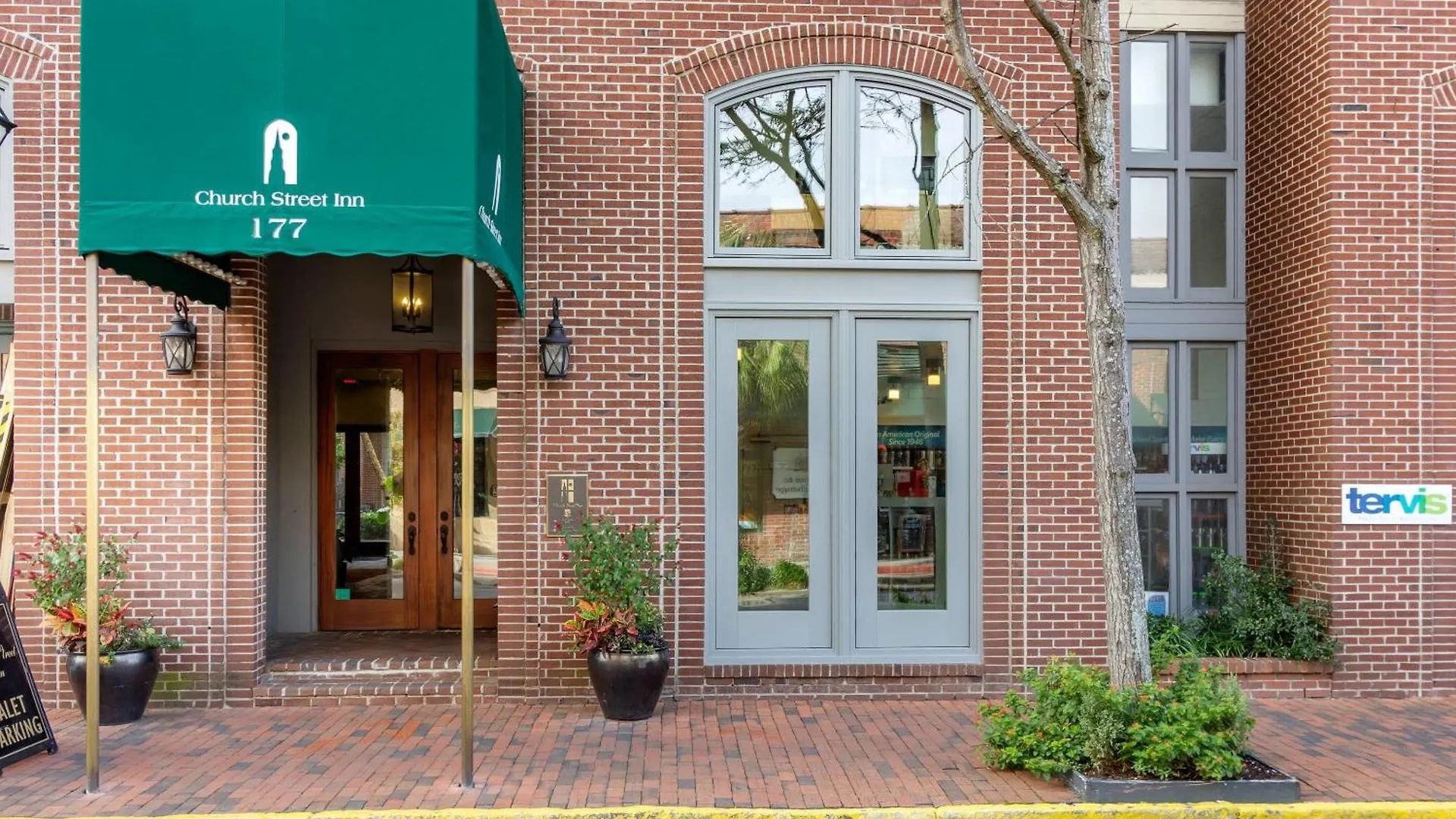
1. Church Street Inn Historic Charleston, Ascend Collection Hotel
Show on map


 Check-infrom 16:00 until 23:59Check-outuntil 10:00
Just a few rooms left at the best rate!
fromUS$ 199
-
2. Fulton Lane Inn
Show on map


 Check-infrom 16:00 until 23:59Check-outuntil 12:00
Just a few rooms left at the best rate!
fromUS$ 360
-
3. Homewood Suites By Hilton Charleston Historic District
Show on map


 Check-infrom 16:00 until 23:59Check-outuntil 11:00
Hurry – almost gone at this price!
fromUS$ 459
Best Premium Historic Stay
For travelers who want a full-service hotel experience with modern chain infrastructure inside the Historic District, this property delivers the broadest amenity set of the four reviewed here.
-
4. Courtyard By Marriott Charleston Historic District
Show on map


 Check-infrom 16:00 until 23:59Check-outuntil 11:00
Rooms filling fast – secure the best rate!
fromUS$ 335
Smart Travel Timing for Charleston's Historic District
Charleston's Historic District has one of the most defined seasonal pricing structures of any Southern US city. March through May is the most popular window - temperatures are manageable, the garden tours (including the Historic Charleston Foundation's Festival of Houses and Gardens) run through April, and the Spoleto Festival USA closes out the spring in late May. Book at least 8 weeks ahead for any travel in this window, as the combination of leisure travelers and festival attendance pushes the district to near-full capacity.
Summer runs hot and humid from June through August, with temperatures regularly exceeding 90°F, which reduces the appeal of long walking days in the district. Hotel rates soften slightly compared to spring peak, but the heat is a genuine factor for itinerary planning - morning and evening hours are far more comfortable than midday. January and February offer the lowest rates of the year with noticeably thinner crowds, though some smaller restaurants and tour operators reduce hours. Fall (October and November) is increasingly popular as visitors discover the milder temperatures and the end of hurricane season - prices begin climbing again in October, so early booking still applies. For most first-time visitors, 3 to 4 nights is the practical sweet spot: enough time to cover the major house museums, the waterfront, King Street, and at least one day trip without feeling rushed.