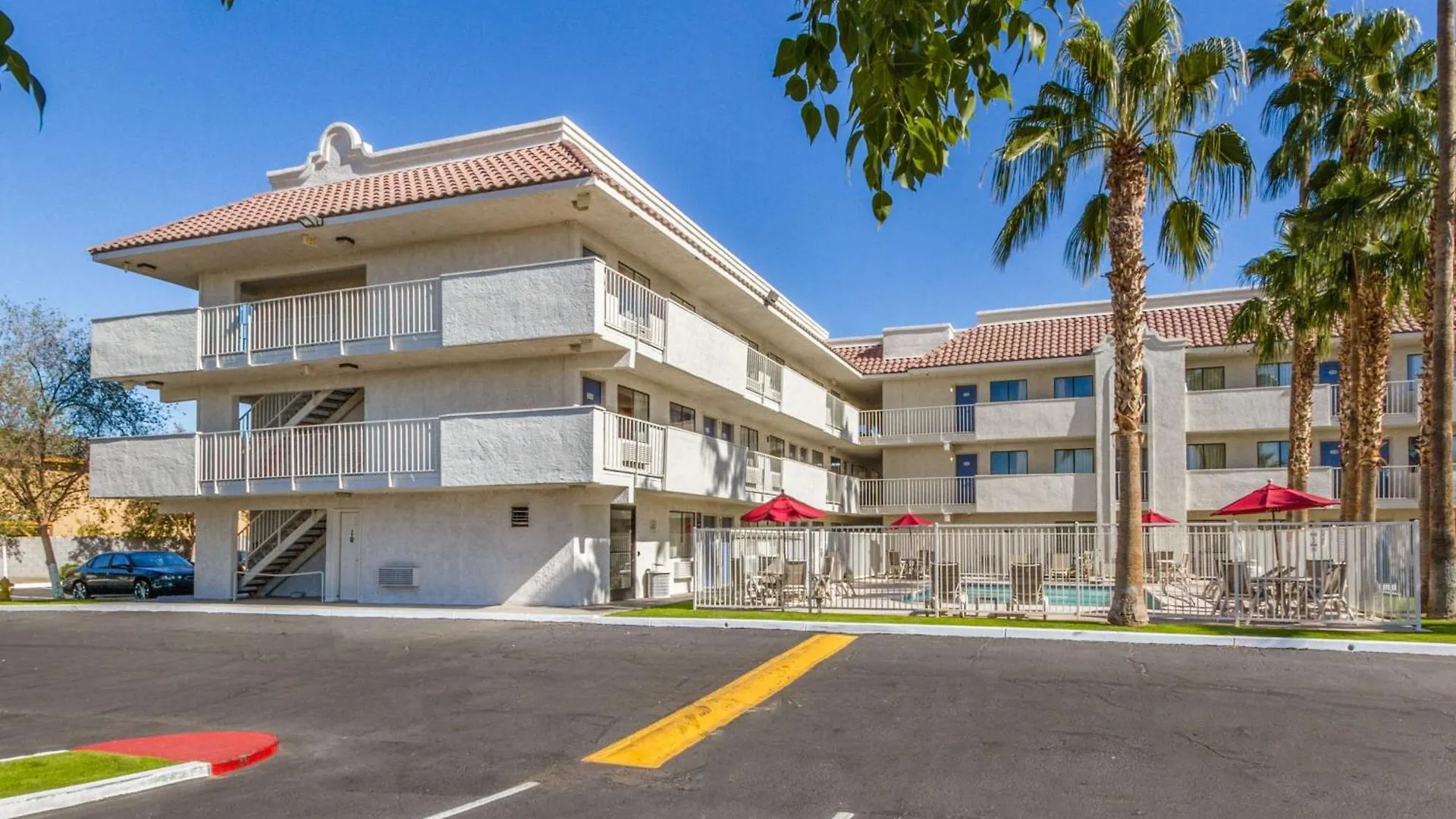
Phoenix is one of the fastest-growing cities in the United States, and its hotel market reflects exactly that - a wide spread of options across sprawling districts, from the urban core of Downtown to the upscale corridors near North Scottsdale. Whether you're visiting for a business conference at the Phoenix Convention Center, catching a race at the International Raceway, or exploring the Sonoran Desert landscape, choosing the right hotel means choosing the right part of the city first. This guide cuts through the noise and gives you a straight comparison of 5 hotels across Phoenix's key zones.
What It's Like Staying in Phoenix
Phoenix is a car-dependent city by design - walking between attractions is rarely practical, and public transit covers only a fraction of the metro area. The Valley Metro light rail connects Downtown, Midtown, and Tempe, but most neighborhoods north of Camelback Road require a rental car or rideshare. Summers are extreme, with temperatures regularly exceeding 110°F, which means outdoor pools are a genuine amenity, not just a perk. Crowds peak from January through April, when snowbirds and spring training baseball fans flood the city, pushing hotel rates up significantly.
Phoenix suits travelers who want space, sunshine, and easy highway access to Sedona, Scottsdale, or the Grand Canyon. Visitors expecting a walkable urban experience may find the layout frustrating without a vehicle.
Pros:
- Sunshine nearly year-round makes outdoor attractions and pool time genuinely usable
- Free parking is standard at most Phoenix hotels, reducing daily travel costs
- Easy highway access puts Sedona around 2 hours away and the Grand Canyon under 4 hours
Cons:
- Without a car, mobility is severely limited outside of Downtown and Tempe
- Summer heat makes midday outdoor activity uncomfortable and sometimes dangerous
- Traffic on I-10 and Loop 101 during rush hour can add significant time to cross-city drives
Why Choose a Hotel in Phoenix
Phoenix hotels span an unusually wide price spectrum for a US Sun Belt city, and room sizes tend to be larger than comparable price points in coastal cities like Los Angeles or Miami. Extended-stay suite properties are especially common here, catering to long-term business travelers and relocating families - meaning even mid-range hotels often include in-room kitchenettes or full fridges. Noise is rarely an issue outside of Downtown, but properties near Loop 101 or I-10 can experience road noise. Budget options average around 30% cheaper than equivalent rooms in Scottsdale proper, making Phoenix's western and northern districts attractive for value-driven travelers.
The key trade-off in Phoenix is location versus price - the further you stay from Downtown or the airport, the more you save, but the more you depend on a car for every activity.
Pros:
- Larger room footprints compared to equivalent hotel categories in coastal US cities
- Free parking is near-universal, even at upscale properties
- Extended-stay and suite formats give families and long-haul travelers genuine kitchen access
Cons:
- Distance between hotel clusters means choosing the wrong district adds daily drive time
- Dining options within walking distance are limited outside of central Phoenix neighborhoods
- Spring training season (February-March) spikes rates sharply across the entire metro
Practical Booking & Area Strategy in Phoenix
Phoenix's hotel geography divides into three practical zones. Downtown and Midtown along Central Avenue offer the closest access to the Phoenix Convention Center, the Heard Museum, and the Valley Metro light rail. The North Phoenix and Deer Valley corridor along I-17 suits travelers heading to Sedona or needing proximity to Deer Valley Rock Art Center, with quieter surroundings and lower nightly rates. The Desert Ridge and North Scottsdale zone near the Loop 101/Pima Road interchange sits closer to the Musical Instrument Museum - a walkable 10-minute stroll from some properties - and Scottsdale Airport, making it ideal for business travelers flying regionally.
For leisure travelers, booking at least 6 weeks ahead during the January-April high season is essential to secure reasonable rates. Summer bookings offer the best value but demand heat-management planning. Properties on the west side near the International Raceway suit motorsport visitors best, while uptown options near Camelback Road give cultural travelers faster access to the Heard Museum and central dining strips.
Best Value Stays in Phoenix
These properties offer reliable amenities at competitive price points across Phoenix's west side and north corridors - strong picks for road trippers, budget-conscious visitors, and extended stays where space and free parking matter more than proximity to Downtown.
-
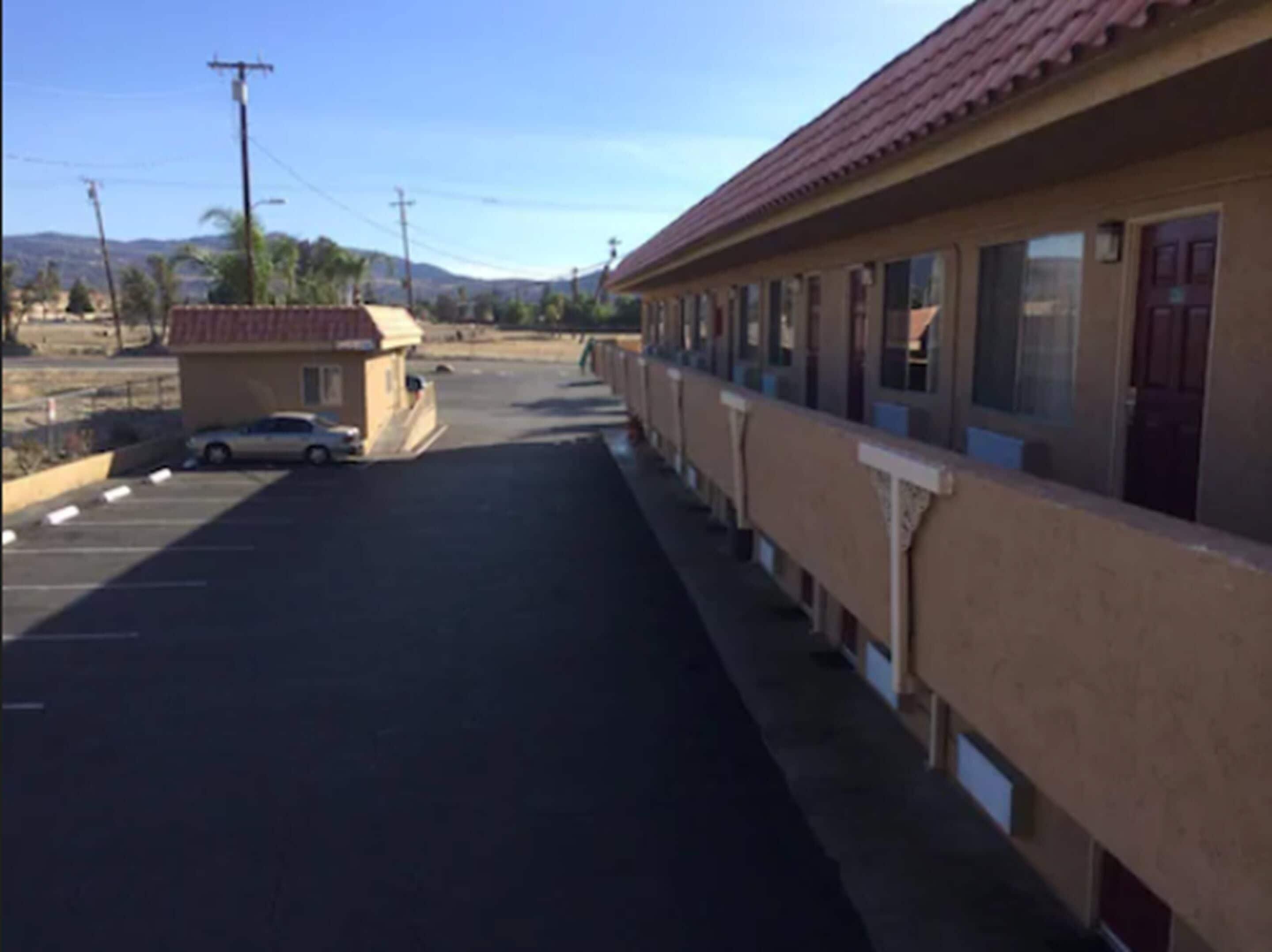
1. Motel 6-Phoenix, Az - West
Show on map


 Check-infrom 15:00 until 23:59Check-outuntil 11:00
Just a few rooms left at the best rate!
fromUS$ 66
-
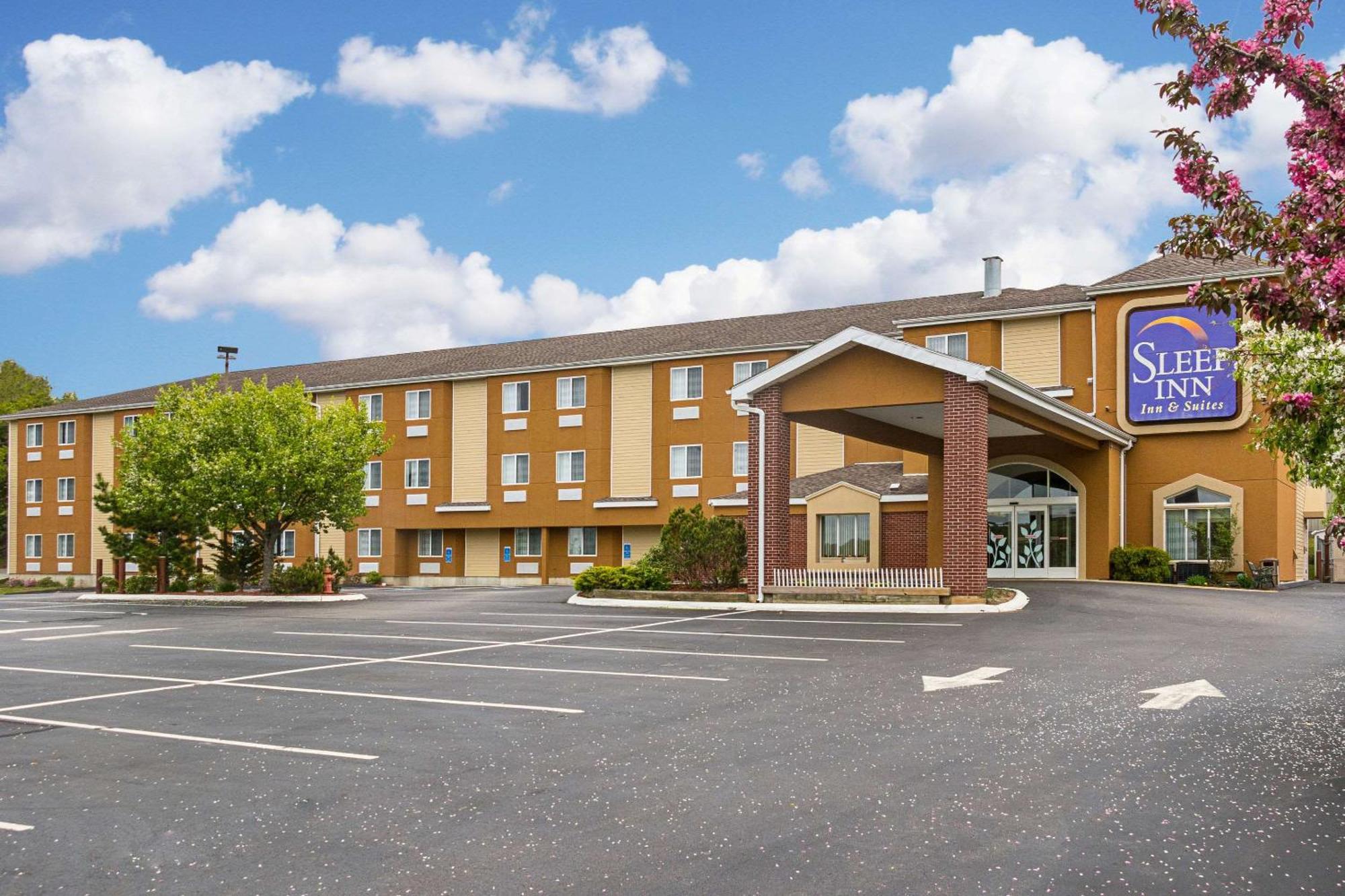
2. Sonesta Simply Suites Phoenix Glendale
Show on map


 Check-infrom 16:00 until 23:59Check-outuntil 11:00
Just a few rooms left at the best rate!
fromUS$ 75
-
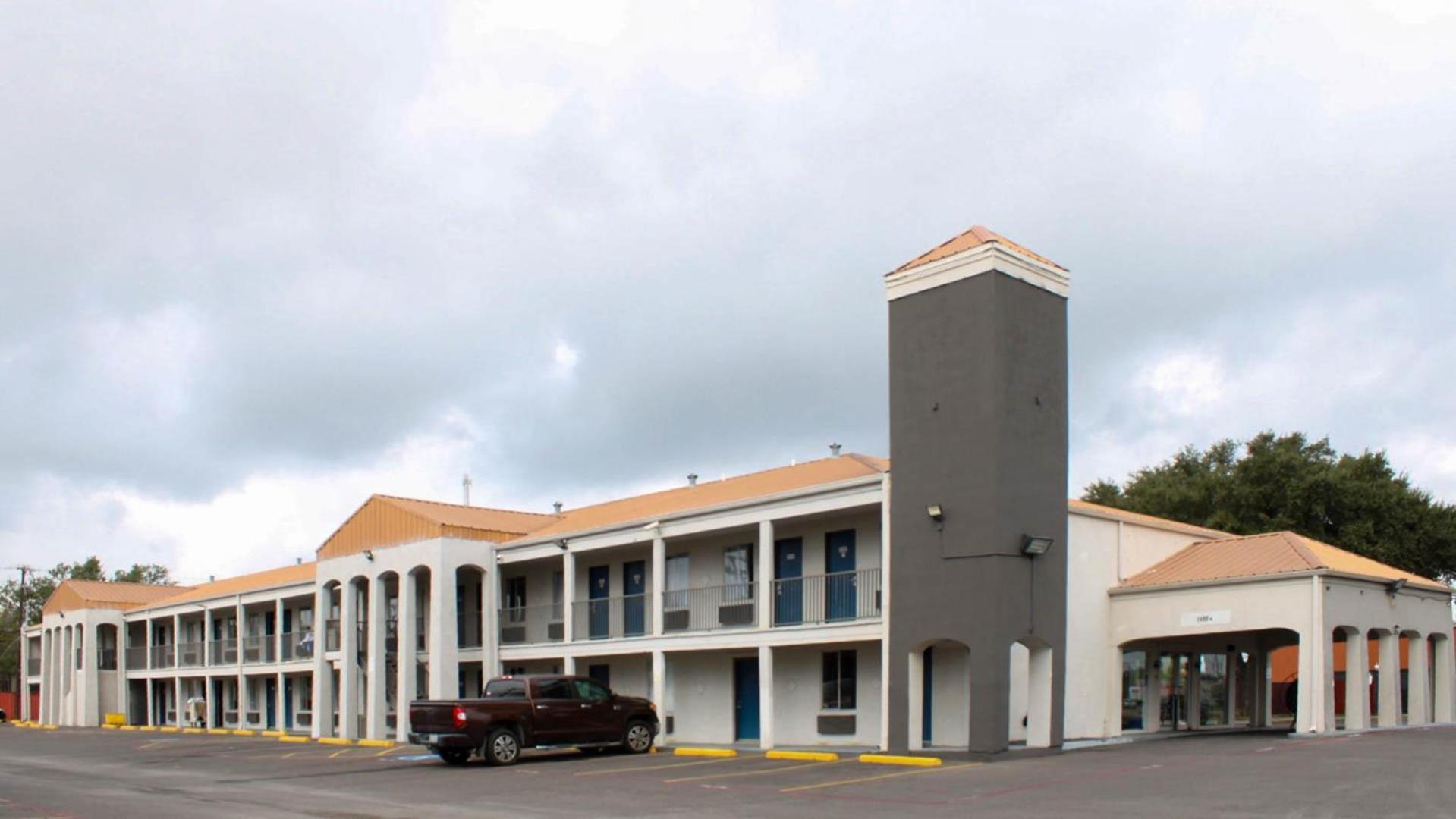
3. Travelodge By Wyndham Phoenix North
Show on map


 Check-infrom 15:00 until 23:59Check-outuntil 11:00
Hurry – almost gone at this price!
fromUS$ 64
Best Premium Stays in Phoenix
These two properties target guests who want elevated amenities, stronger dining access, and positioning closer to Phoenix's cultural and business landmarks - delivered at a step up in both comfort and on-site facilities.
-
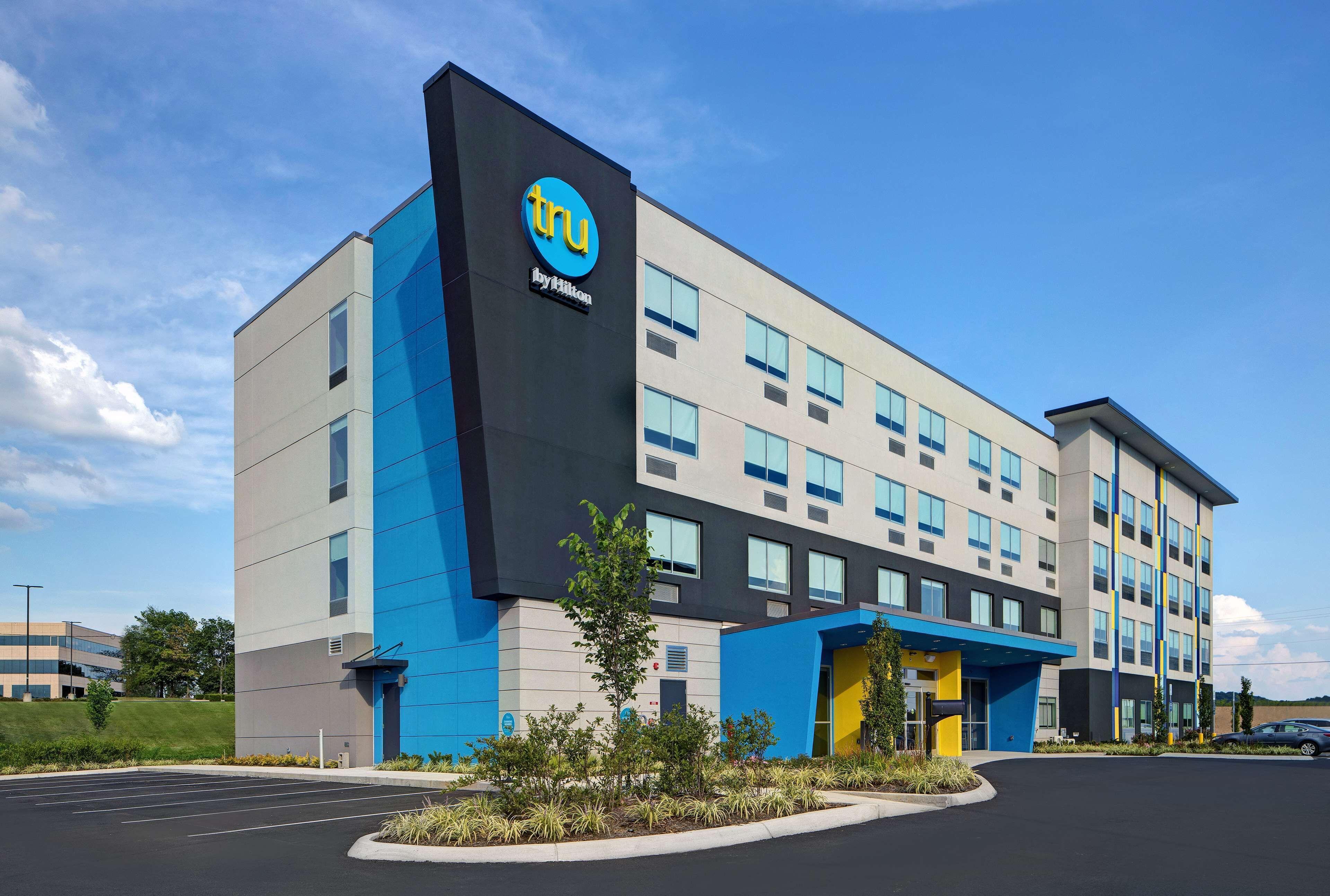
4. Hilton Garden Inn North Phoenix Scottsdale
Show on map


 Check-infrom 15:00 until 23:59Check-outuntil 11:00
Hurry – almost gone at this price!
fromUS$ 86
-
5. Rise Uptown
Show on map


 Check-infrom 15:00 until 23:59Check-outuntil 11:00
Rooms filling fast – secure the best rate!
fromUS$ 89
Smart Travel Timing for Phoenix Hotels
Phoenix's travel calendar is almost the inverse of most US cities. January through March is peak season - spring training baseball, the Barrett-Jackson auto auction, and the Waste Management Phoenix Open all collide, driving hotel rates up across the entire metro. Booking these months more than 6 weeks in advance is not optional; it's the difference between securing your preferred district and settling for what's left. April and November offer the best balance of mild weather and manageable pricing before the summer drop-off hits. Summer months (June-September) see the sharpest rate reductions - often around 40% below peak - but the trade-off is daily highs above 105°F that limit outdoor activity to early mornings and evenings. A stay of 3 to 4 nights is enough for most leisure visitors covering central Phoenix and a day trip to Sedona; business travelers attending conventions typically anchor to 2-night midweek blocks. Last-minute summer bookings can yield exceptional value, particularly at properties with strong pool and indoor amenity sets.