Fisherman's Wharf sits at the northern edge of San Francisco, roughly 2 miles from the Financial District and Union Square - close enough for business trips that also demand proximity to the waterfront, conference venues near Pier 39, or meetings in North Beach. Business travelers staying here trade a central downtown address for direct access to one of the city's most connected, walkable waterfronts, with cable car and bus lines running south toward Market Street in under 20 minutes.
What It's Like Staying in Fisherman's Wharf
Fisherman's Wharf draws heavy foot traffic from early morning through late evening, concentrated around Jefferson Street, Beach Street, and the Pier 39 plaza - so rooms facing the waterfront can be noisy well past 10 PM during summer months. The area becomes noticeably quieter before 7 AM, which suits early-departing business travelers. Most hotels place you within a 10-minute walk of the F-Market streetcar line on Jones Street, connecting directly to the Embarcadero, SoMa, and the Civic Center without needing a car.
Staying here puts cable car access on Powell-Hyde and Powell-Mason lines within a 5-minute walk, which is a genuine time-saver for meetings in Union Square or the Financial District. The tradeoff is that parking costs around $60 per night at most nearby garages, and Uber surge pricing in this zone spikes significantly on summer weekends.
Pros:
- Cable car and F-Market streetcar access within walking distance connects you to downtown San Francisco without a car
- Early mornings are calm and pedestrian-friendly, making pre-meeting walks or runs along the Embarcadero practical
- High concentration of seafood restaurants and waterfront dining within a 3-block radius, useful for client dinners
Cons:
- Weekend tourist crowds on Jefferson Street and near Pier 39 create significant pedestrian congestion from midday onward
- Longer commute to the Financial District compared to staying in SoMa or Union Square
- Street noise from tour buses, street performers, and sea lion activity at Pier 39 can impact lighter sleepers in waterfront-facing rooms
Why Choose Business Hotels in Fisherman's Wharf
Business hotels in Fisherman's Wharf typically offer work desks, reliable high-speed WiFi, and 24-hour front desk services in properties that are larger and more operationally structured than boutique alternatives in the same area. Rates at business-oriented properties here tend to run around 15% lower than comparable business hotels in Union Square, partly because the location is perceived as more leisure-oriented - which can work in your favor for budget-conscious corporate stays.
Room sizes at business hotels in this district tend to be more generous than in downtown San Francisco's dense hotel corridors, and most include in-room refrigerators and safes - practical for multi-night corporate stays. The main trade-off is that Fisherman's Wharf has no convention center, so if your meetings are concentrated in Moscone Center or the Financial District, factor in a 20-minute transit commute each way. Properties with on-site parking, restaurants, and gym access make the most operational sense here for self-sufficient business stays.
Pros:
- Work desks, safes, and in-room refrigerators are standard across most business-grade properties in the district
- On-site restaurants at several hotels eliminate the need to navigate tourist-heavy streets for every meal
- Lower nightly rates compared to equivalent-tier hotels in Union Square or SoMa
Cons:
- No convention center proximity - Moscone Center is around 3 miles south, requiring transit or rideshare for every visit
- Business amenities like co-working spaces and meeting rooms are limited compared to downtown Financial District hotels
- Evening restaurant and bar noise on Beach and Jefferson streets can disrupt work-from-room routines
Practical Booking & Area Strategy for Fisherman's Wharf
For business travelers, positioning on North Point Street or Beach Street gives you the best balance - walkable to the waterfront attractions but set back enough from the peak Jefferson Street tourist corridor to reduce noise and street congestion. The Powell-Hyde cable car terminus at Hyde and Beach streets is the single most useful transit point in the district for reaching Union Square in about 15 minutes without dealing with parking. Hotels within a 2-block radius of this stop have a measurable commute advantage over those positioned closer to Pier 39's eastern end.
Book at least 6 weeks ahead for summer travel (June through August), when occupancy across Fisherman's Wharf hotels regularly exceeds 90% and rates spike sharply. Outside of summer, shoulder season in March-April and October-November offers significantly lower rates with manageable crowds. Things to do in the area between meetings include Alcatraz tours departing from Pier 33, the Aquarium of the Bay, the San Francisco Maritime National Historical Park at Hyde Street Pier, and Ghirardelli Square - all within a 10-minute walk. Pier 39 and Ripley's Believe It or Not are the crowd magnets to avoid at midday if you need focused walking time between appointments.
Best Value Business Stays
These properties offer solid work-ready infrastructure at competitive price points, with reliable transit access and practical in-room amenities suited for multi-night business stays in Fisherman's Wharf.
-
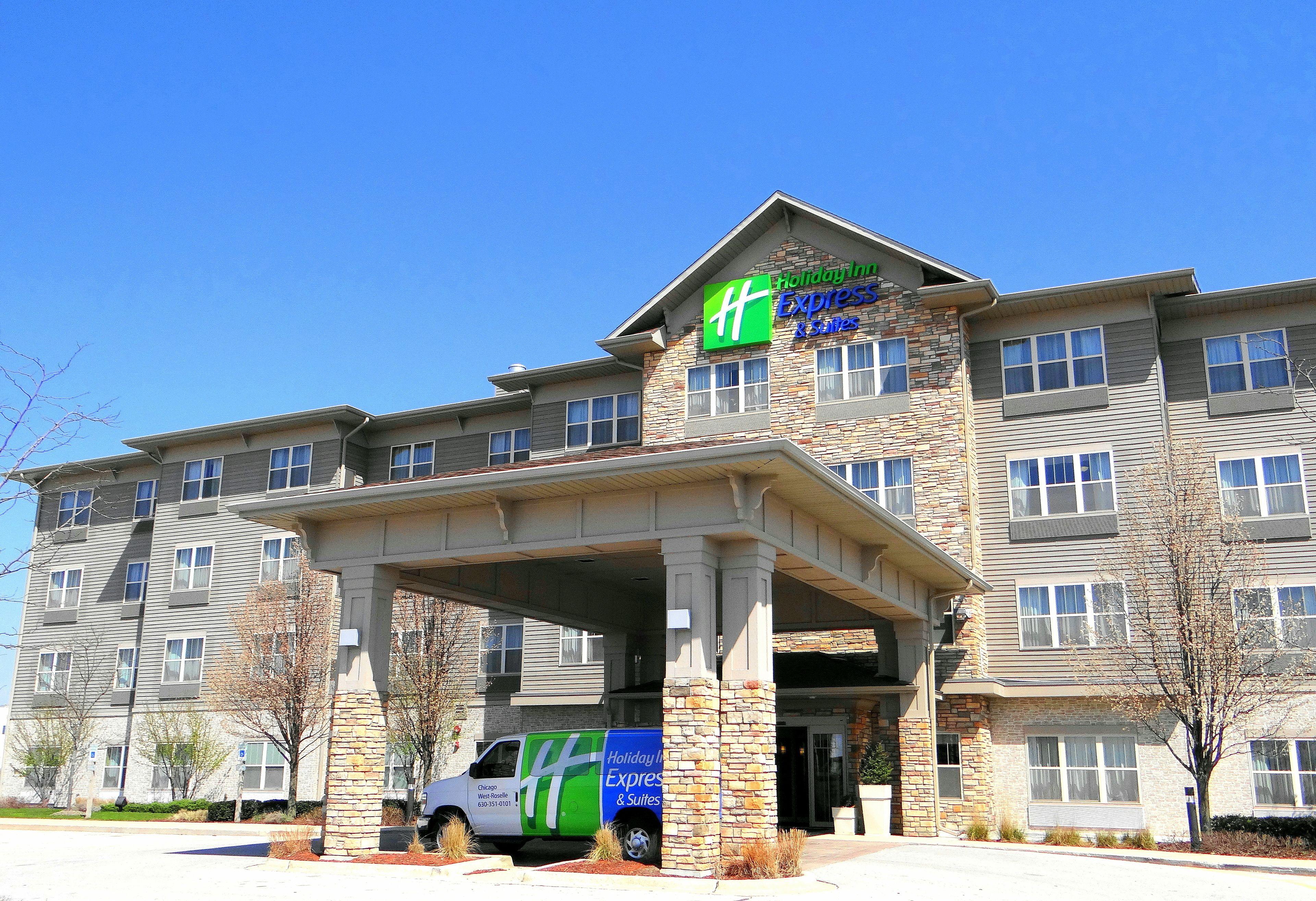
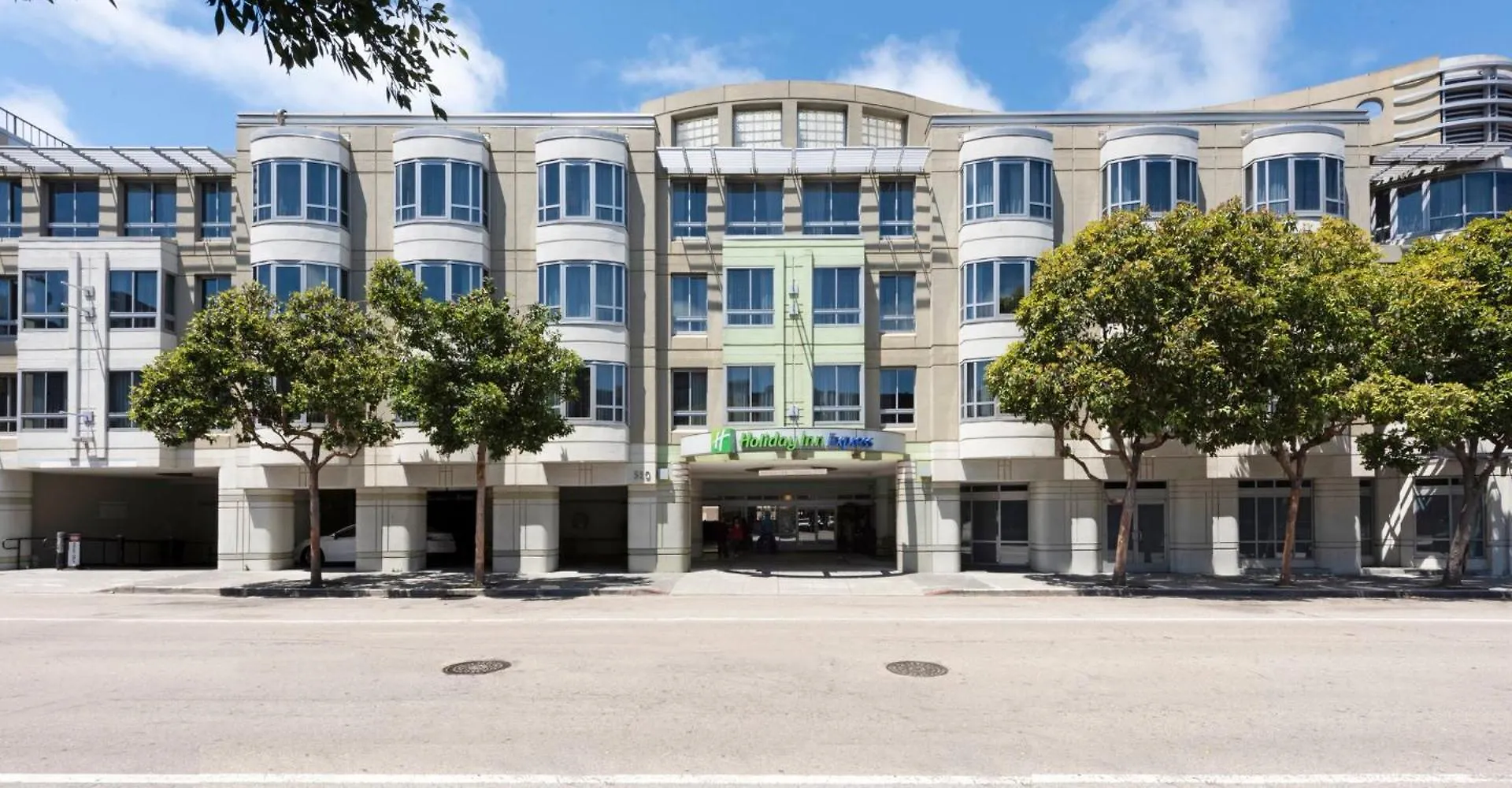
1. Holiday Inn Express Hotel & Suites Fisherman'S Wharf By Ihg
Show on map


 Check-infrom 15:00 until 23:59Check-outuntil 12:00
Just a few rooms left at the best rate!
fromUS$ 130
-
2. Hotel Zoe Fisherman'S Wharf
Show on map


 Check-infrom 16:00 until 23:59Check-outfrom 02:00 until 11:00
Just a few rooms left at the best rate!
fromUS$ 92
Best Premium Business Stays
These properties add elevated amenities - heated pools, full-service restaurants, on-site bars, and broader concierge services - that support business travelers who need more than a functional room in Fisherman's Wharf.
-
3. Hyatt Centric Fisherman'S Wharf San Francisco
Show on map


 Check-infrom 16:00 until 23:59Check-outuntil 11:00
Hurry – almost gone at this price!
fromUS$ 143
-
4. Hotel Zephyr San Francisco
Show on map


 Check-infrom 16:00 until 23:59Check-outfrom 01:00 until 11:00
Rooms filling fast – secure the best rate!
fromUS$ 125
Smart Travel & Timing Advice for Fisherman's Wharf
Summer in Fisherman's Wharf - specifically July and August - is when the district operates at full tourist capacity, with hotel occupancy above 90% and nightly rates at their annual peak. For business travel, October through November is the most favorable window: crowds thin noticeably after Labor Day, rates drop by around 25% from summer highs, and the weather remains mild enough for waterfront walking between meetings. March and April offer similar conditions, though convention season in SoMa occasionally pressures Fisherman's Wharf rates upward during large Moscone Center events.
A minimum of 2 nights makes logistical sense for business stays here - one night is rarely enough to justify the transit overhead from the Financial District. For trips centered on Alcatraz or waterfront client events, 3 nights aligns well with the activity density available without repetition. Book at least 6 weeks ahead for any summer travel; last-minute availability in July and August is thin across all price tiers. Outside peak season, last-minute rates can be competitive, but room type selection narrows significantly within 2 weeks of arrival.