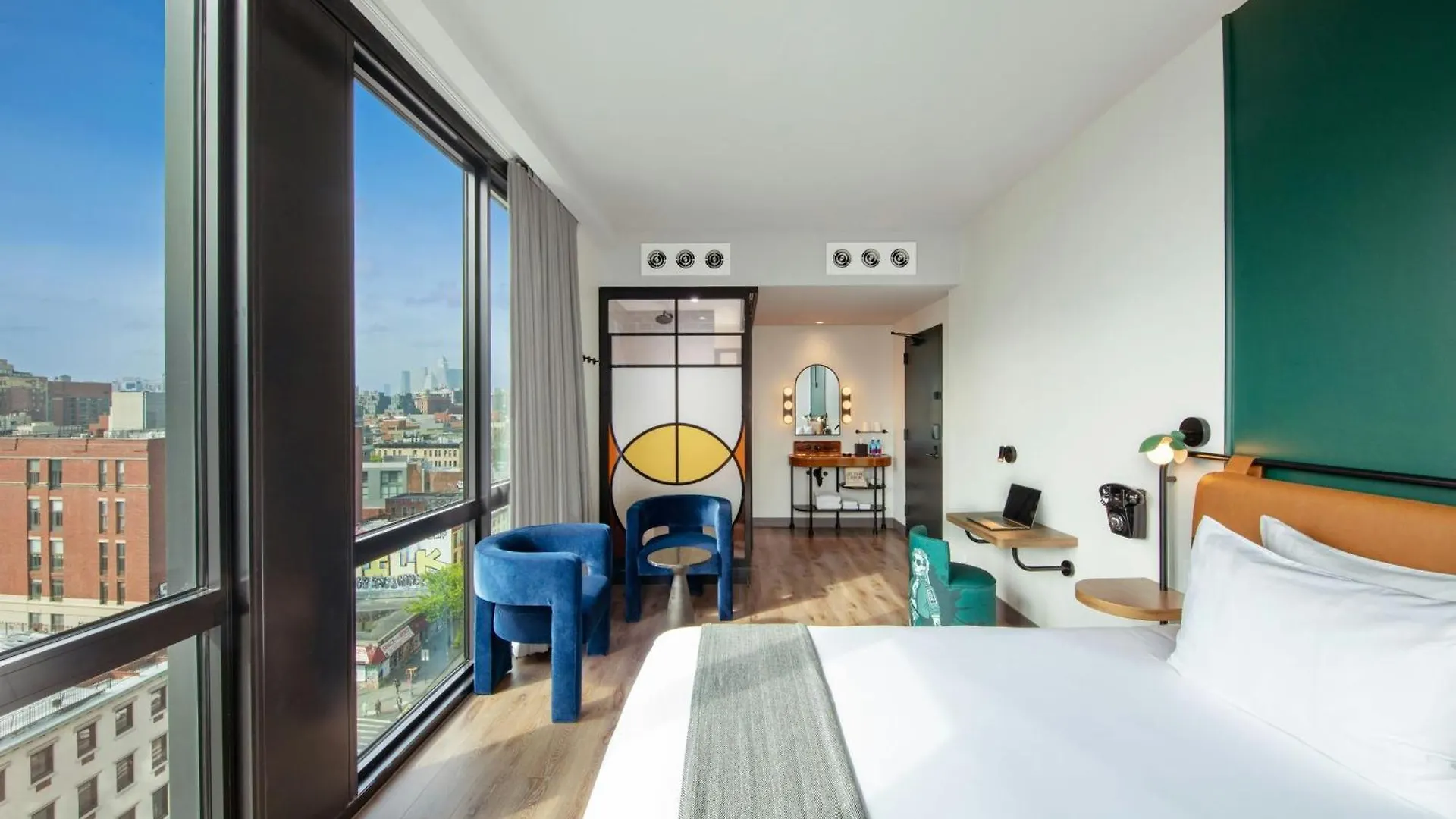
Lower Manhattan covers the southernmost tip of the island - from the Financial District and Wall Street up through the Lower East Side, Tribeca, and SoHo - and staying here puts you within walking distance of some of New York's most historically significant blocks. This guide covers two well-positioned 3-star hotels that give you practical access to the area without the premium pricing of luxury downtown properties, with honest comparisons to help you decide which fits your trip.
What It's Like Staying in Lower Manhattan
Lower Manhattan operates on two distinct rhythms: a dense weekday energy driven by the Financial District's office crowd and a noticeably quieter weekend pace, when foot traffic drops and many grab-and-go lunch spots close. Every major subway line converges here - the A, C, E, J, Z, 2, 3, 4, and 5 trains all stop within the area - which makes reaching Midtown, Brooklyn, or JFK straightforward from any hotel in the district. The area sits at the far southern end of the island, so walking north to neighborhoods like SoHo or the West Village takes around 30 minutes on foot; most visitors quickly default to the subway for cross-city moves.
Pros:
* Unmatched subway connectivity: nearly every line stops within a few blocks, cutting commute times across the city
* Immediate proximity to landmark attractions - the 9/11 Memorial, One World Trade Center, Brooklyn Bridge, and Wall Street are all walkable
* Hotels here tend to run at more competitive nightly rates than Midtown equivalents, with savings of around 30% for similar category properties
Cons:
* Nightlife options are thin compared to the Lower East Side, West Village, or Williamsburg - the area quiets down significantly after 9pm
* Restaurant density drops sharply on weekends when office workers leave, limiting spontaneous dining choices
* Located at the extreme southern tip of Manhattan, requiring transit for access to most Uptown or Central Park-area activities
Why Choose 3-Star Hotels in Lower Manhattan
Three-star hotels in Lower Manhattan tend to occupy a specific position in the market: they deliver consistent, modern amenities - reliable WiFi, fitness access, 24-hour front desks - without the $400+ nightly rates of nearby full-service luxury towers. Rooms are compact by New York standards, typically in the 200-280 sq ft range, which is standard for downtown Manhattan at this price tier. The trade-off is clear: you're paying for location and connectivity, not square footage or spa amenities. For travelers whose priority is access to Lower Manhattan's attractions rather than in-hotel leisure, this category makes direct financial sense.
Pros:
* Nightly rates are meaningfully lower than 4- and 5-star downtown options, often by around 40%
* Modern infrastructure - flat-screen TVs with streaming, walk-in showers, reliable WiFi - without budget-property compromises
* Typically include 24-hour desk access and luggage storage, which matters for early arrivals or late departures
Cons:
* Room sizes are compact; guests expecting mid-range space comparable to other U.S. cities may find NYC's 3-star footprint noticeably small
* Some properties in this tier have limited on-site dining, relying on nearby restaurants for breakfast and dinner options
* Noise from street level or nearby nightlife venues can be an issue in buildings that aren't acoustically optimized for urban density
Practical Booking & Area Strategy
For the closest access to the 9/11 Memorial and One World Trade Center, positioning along Fulton Street or near the WTC Oculus puts you within a 5-minute walk of both sites. Hotels near the Lower East Side corridor - around Delancey Street and the Essex Market area - sit slightly further north but gain access to a denser bar and restaurant scene. The J, M, and Z trains at Essex Street station connect the Lower East Side directly to Midtown in under 20 minutes. Summer (June through August) and the Thanksgiving-to-New Year stretch are peak pricing windows; booking at least 6 weeks ahead during these periods is strongly advised. April through May and September through early November offer the best balance of manageable crowds and lower hotel rates. The Brooklyn Bridge is a 15-minute walk from most Lower East Side properties, and the Staten Island Ferry terminal at Whitehall Street - free and offering direct Statue of Liberty views - is under 20 minutes by subway from anywhere in the district.
Recommended 3-Star Hotels in Lower Manhattan
These two properties represent distinct approaches to 3-star accommodation in the Lower Manhattan area - one focused on nightlife-adjacent energy and curated on-site programming, the other offering a stripped-back, apartment-style stay at a lower price point.
-
1. Moxy Nyc Lower East Side
Show on map


 Check-infrom 16:00 until 23:59Check-outuntil 12:00
Just a few rooms left at the best rate!
fromUS$ 204
-
2. The Flat Nyc
Show on map


 Check-infrom 16:00 until 23:30Check-outuntil 11:00
Hurry – almost gone at this price!
fromUS$ 169
Smart Timing & Booking Advice for Lower Manhattan
Lower Manhattan hotel rates spike during two predictable windows: summer (June through August), when tourism peaks and business travel overlaps with leisure visitors, and the Thanksgiving-to-New Year period, when One World Trade Center, the 9/11 Memorial, and Battery Park draw heavy visitor numbers. September through early November is the most tactically sound booking window - crowds thin, temperatures stay comfortable for walking between sites, and nightly rates can drop around 25% from summer highs. For stays timed around the Financial District's business calendar, weekends often yield better rates than weekdays, since corporate demand drives weekday pricing higher. Booking at least 6 weeks in advance is recommended for summer stays; for the shoulder season, two to three weeks ahead is generally sufficient. Most visitors find three nights the minimum useful stay - enough to cover the 9/11 Memorial, Brooklyn Bridge walk, Wall Street, the Staten Island Ferry, and at least one evening in the Lower East Side or SoHo without feeling rushed.